A Legacy Carved in Stone
The Story Behind Our Walls
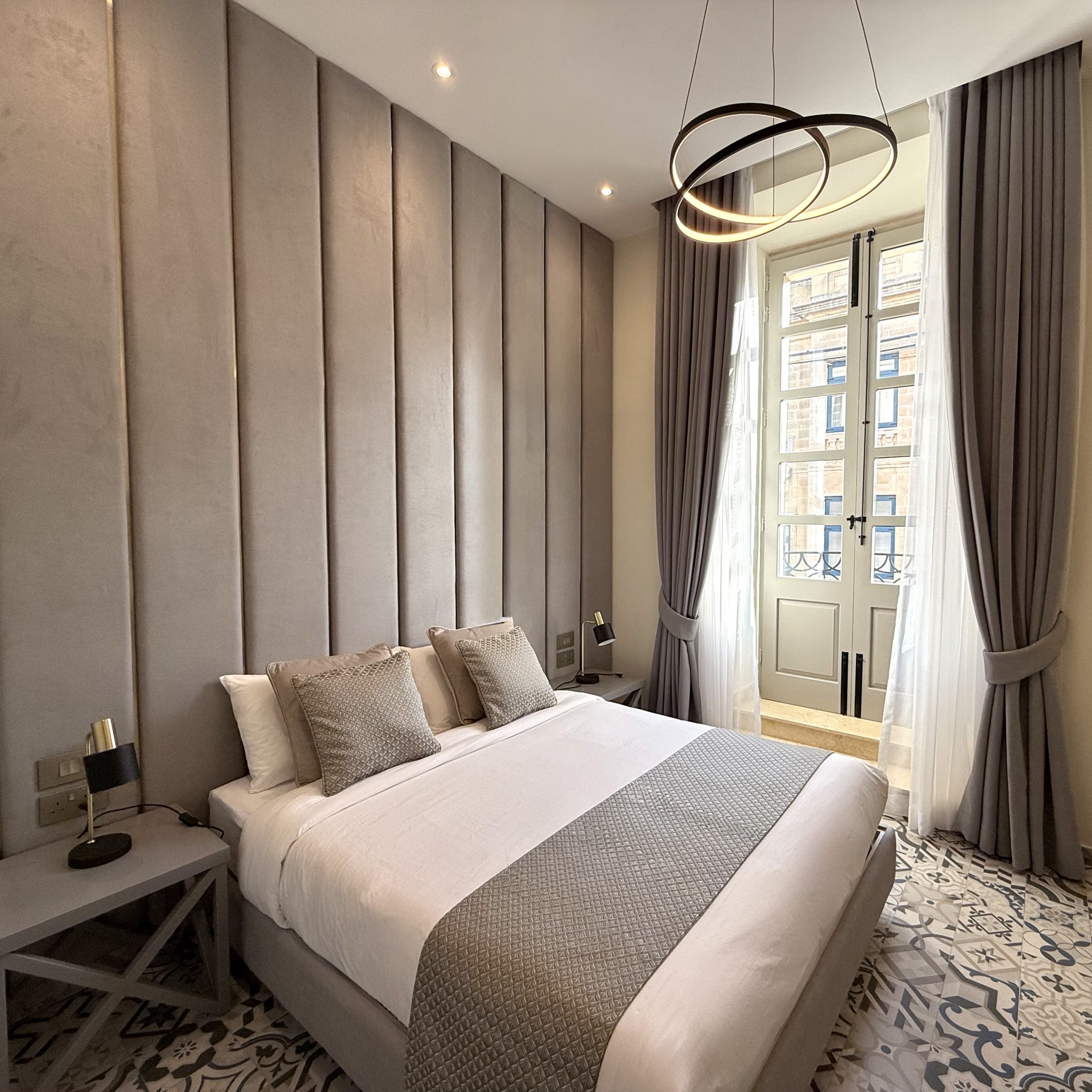
From centuries-old bastions to a lovingly restored boutique hideaway, our property embodies the spirit of the Three Cities — steeped in history, shaped by time, and brought back to life for today’s traveller.
- 5/5 Rating on Google & Booking.com
Centuries of Character: Unveiling the History of Palazzo de la Sengle
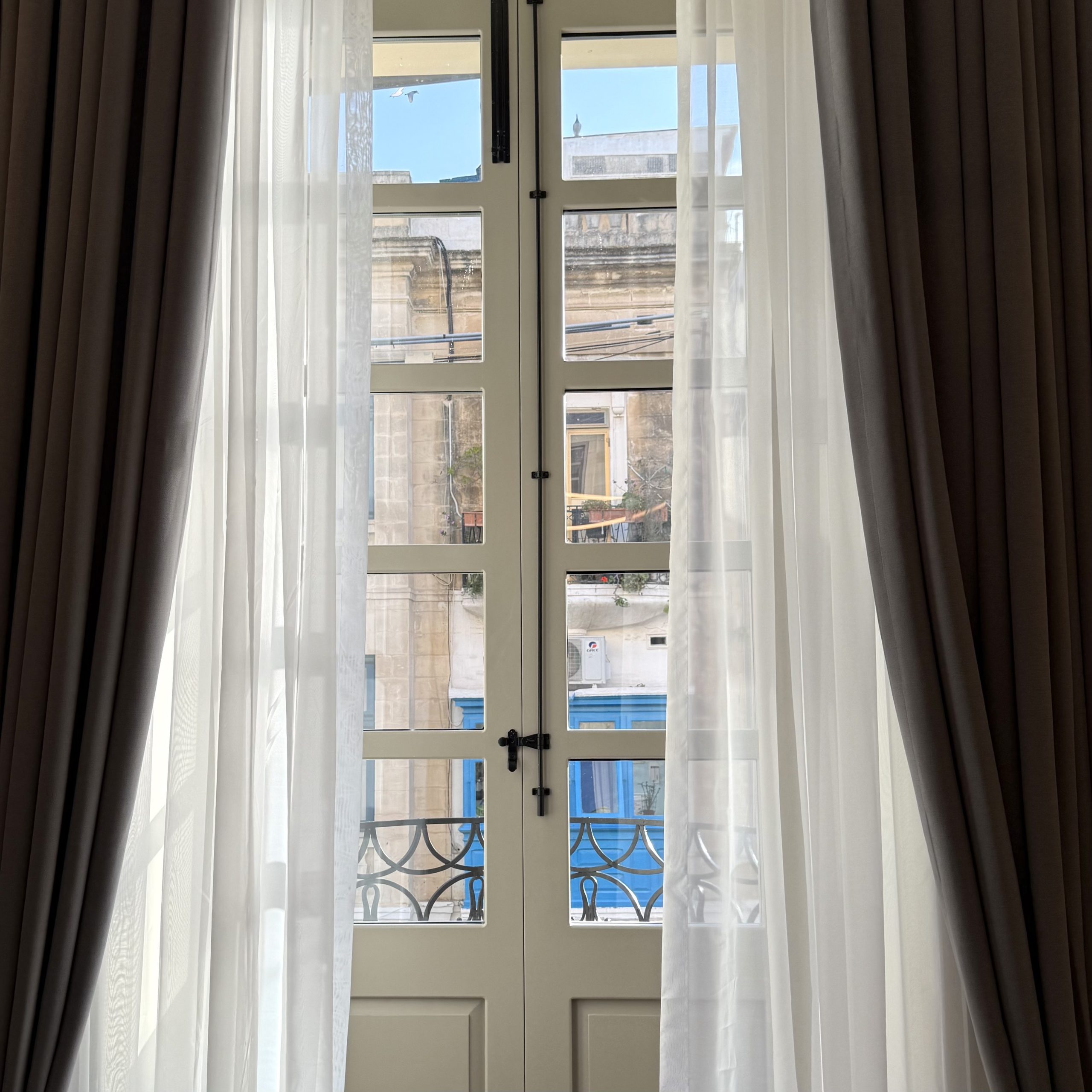
Palazzo de la Sengle, one of the earliest structures in Senglea, reflects distinct Mannerist architectural lines dating to the last decade of the 16th century or early 17th century, and likely began as a grand residence for a wealthy family. Its prominent timber balcony, added in the early 18th century, and the extensive network of interconnected properties it once occupied, suggest the building was originally a substantial palace. Over time, it was divided through inheritance. Historical records from 1678 identify the earliest known resident as Pietro Borgia, who married Nunzia Casciera, linking the property to noble Maltese families. The house later passed through various descendents, including physicians and pharmacists such as Dott Filippo Delia and Dott Lorenzo Custo’, whose family maintained a pharmacy on-site, one of the earliest known in Senglea.
Palazzo de la Sengle also played a role in Malta’s resistance against French occupation, with pharmacist Francesco Pisani executed in 1799 for his part in an uprising. By the 19th century, the property had evolved further; Vincenzo Bonnici, a renowned sculptor, operated his workshop on premises, and later the heirs of Luigi Custo’ sold the house to Emanuele Paris. Paris leased part of it for Malta’s first cooperative, Societa’ Operaia. Eventually, the ground floor became a pastizzi outlet run by the Decelis and later the Vella family.